Divorce is Difficult for Kids: Their Emotional Responses & Behaviours


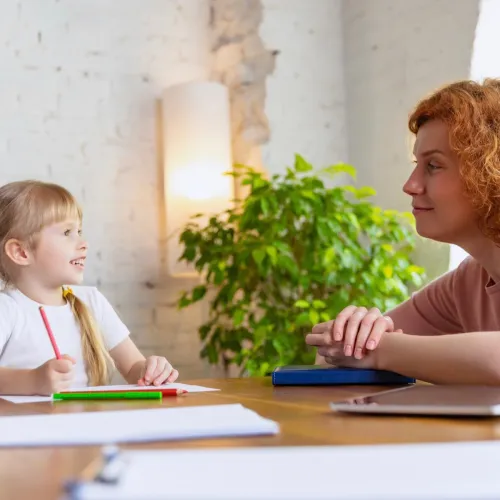
Making the decision to separate is exceptionally difficult, particularly when you have children. Whilst both parents are experiencing the different stages of roller-coaster ‘loss-cycle’ emotions, children go through their own grief process and will often endure the heartache, confusion and chaos in silence. Most don’t feel they are fully able to share their thoughts and feelings with their parents for fear of upsetting one or both of them. Having to suppress too many difficult emotions for too long is unhealthy and will inevitably lead to some ‘explosive’ behaviour. This is just one of the many reasons why they can benefit from being able to talk to a specialist child counsellor or someone else they trust outside of their family circle. They need to feel ‘seen’ and ‘heard’ more than ever before.

Some of the most typical emotional responses of children are:
They will feel responsible in some way.
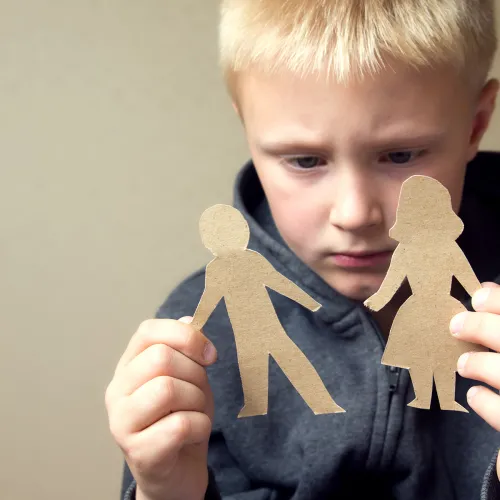
Children don’t understand adult relationships. They may experience an overwhelming sense of confusion about your separation and feel that they are somehow to blame. They may try to figure out what ‘really’ happened and believe the separation was a result of something they said or did, especially if they witnessed a lot of arguing, criticism and blaming behaviour. Sadly, without a parent's reassurance that the separation had absolutely nothing to do with them or their actions, your children may hold on to these feelings for a long time.
They will feel an overwhelming sense of loss.
Losing a parent to divorce can be just as traumatic as losing a parent to death. Children often experience extreme anxiety over ‘losing’ their other parent or feeling that they have been ‘excluded' from their daily lives. Parents have to read between the lines and follow all the nonverbal cues children send out in order to help resolve this matter. Sadly, feelings of loss may always be with your child, but there are tactics parents can employ to decrease these feelings over time.
They will probably resent you both for a while.
Even though most parents try hard to shield their children from the negative and harmful effects of their separation, resentment will probably creep in at some stage. This is especially true if one parent appears to have ‘moved on’ to another person, another place, another life and possibly even another family. Children need to ‘belong’ and can easily feel displaced, confused and unsure where they fit into a parent's ‘new’ life–especially if not seeing them.
They really hate it when you fight.
Your children love you both and, in their eyes, you have equal status as parents. So criticising or bad-mouthing the other parent is not showing the children you're a hero or their ‘best’ role-model. You’re only making an already upsetting situation more unbearable for them. Besides, escalating conflict will only make it more difficult for the ‘absent’ parent to spend time or communicate with their children. And guess who will be the bad guy in that scenario?
They need you to listen, listen & listen some more.
Getting more than a few words out of your children gets much harder as they get older. When your child offers you that rare moment to enter their world–grab it! When your child wants to talk, be as open and responsive as you can. Naturally, you don’t want to dwell on the past or the trauma of your separation, but if your children ask you about the other parent, offer a few kind words whenever possible. Whilst you're still coming to terms with your new situation–that’s not your children's concern. Recall good times you had together, as well as what went wrong. Keep your explanation to a minimum (less is definitely more in most cases!) while reassuring your kids that the separation had everything to do with the relationship you had with their other parent–not them.
They are not adults (and definitely not your friends or confidants).
Many children have to cope with their own anxieties when dealing with the separation transitions. Sticking to a healthy set of ‘rules’ by which to live their daily lives helps re-establish a ‘normal’ for them and gives them reassurance that, even through the tough times, you're resilient and still working together as their parents. Even if you're not coping well–your children don't want to know. It only makes them worry more about you and how it will effect their lives. They shouldn’t have to act as a ‘care-giver’ for you or deal with your emotional issues so find specialist support if needed. You’re their role-model so your strength shows them that they too can handle life’s difficulties.
Any ‘bad’ behaviour will change.
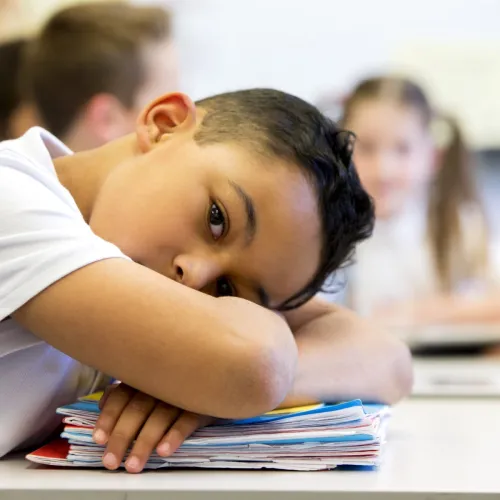
Some children act out in an effort to distance themselves from their new home-life situation. Adapting from a secure two-parent home to two separate homes is not easy for them. Remember–they are always missing one of you. Sometimes withdrawal seems the best way to avoid getting hurt any more. Naturally, children need time to adjust to new environments so may retreat or isolate themselves to ‘normalise’ life. Some will struggle if they observe a parent becoming overwhelmed and distracted by the situation. As a result, misbehaving children begin to hope that their new behaviour forces their parents to pay attention to them. It’s often the only way they know how to cry out for help and support.
They need structure, consistency, routine and boundaries more than ever.
Develop routines and activities that ‘normalise’ their lives. Sharing ‘family’ time is even more important so implementing daily or weekly ‘rituals’ provides comfort and surety as well as opportunities to share experiences. Films and books are a great way to open up dialogue on difficult conversations you may be unsure how to approach. Children also need you to keep sharing information about them that keeps them safe. If you have a teenager who just wants to isolate and hide out in their bedroom–don’t let them! Try to engage them in activities they enjoy so they feel ‘connected’.
They need contact with (and access to) both parents.
Children need to know they can make contact with parents whenever they want. It’s about being spontaneous and building relationships. Liaise with the other parent so they know when it’s a good time to schedule a call/video etc. Demonstrate that you understand the importance of encouraging and facilitating their parent/child relationship. If your child has their own mobile phone, let them know they don’t need to check in with you about making contact. Don’t be the parent who makes the mistake of banishing the other parent from their child's life out of anger or other personal negative emotions. Unless there are genuine safeguarding issues your child will soon figure this out.
They need unconditional love from each parent.
Nothing builds a child’s self-esteem more than knowing they are fully supported and loved unconditionally by both of their parents! As the saying goes “it takes a village to raise a child” so extended family relationships are important to maintain. Sibling relationships and peer group friendships help them share their experiences too. Try to surround your children with people who provide positive influences and they will develop into healthy, balanced, loving and emotionally intelligent adults.
In conclusion
Every decision you make when separating must be thoughtful, practical, logistical and above all, future-focused. Information you share with your children must be age-appropriate and in keeping with their emotional development and physical welfare. This creates a positive environment for a healthy co-parenting relationship in which you will continue to make collaborative decisions about them.
Focusing on your children also helps to distract you from feeling overwhelmed by a negative cycle of personal emotions and avoid getting caught up in any adversarial conflict, putting you in a stronger position for resolving issues as they arise.
Bear in mind that your children will always remember and be the best judge of how their parents dealt with the separation. They need both of you to be as resilient as possible in order to support them.
Try to keep all the lines of communication as open as possible whilst maintaining your own healthy autonomous boundaries. Continuing to share information about your children is essential to their sense of security and spares them unhelpful anxieties.
Allow them to express their thoughts and feelings and listen to their concerns. Reassure them that you will resolve any issues so they have hope for the future and can believe they have 2 ‘good’ separated parents who are still working together.